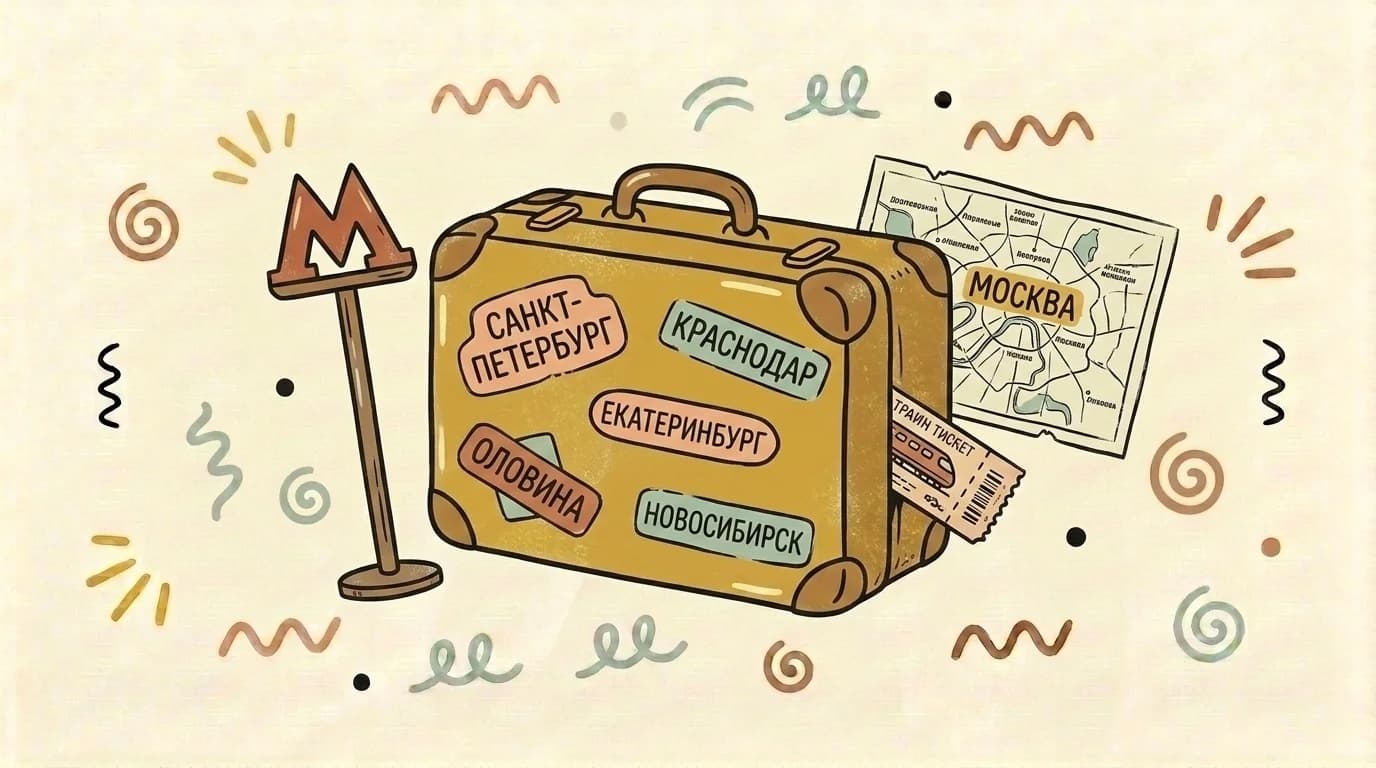
You’re standing on a street corner in Saint Petersburg, your phone battery is at 2%, and the map app refuses to load. You know the name of your hotel, but you can’t ask for help because the only Russian word you remember is привет (privet, “hi”). That’s not going to get you home.
Which format grows your game fastest?
The good news? You don’t need to be fluent to survive. You just need a handful of phrases, a bit of confidence, and a willingness to sound a little silly. Let’s fix this.
Why Russian travel phrases are different from textbook Russian
Textbooks love to teach you how to ask for a library or talk about your uncle’s job. Real travel Russian is about getting from point A to point B without crying. It’s also about handling the unexpected, like a babushka on the bus who tells you you’re sitting in her seat, or a taxi driver who speaks only Russian and assumes you do too.
The key difference is that native speakers won’t expect perfect grammar from a tourist. They’ll appreciate any attempt. So forget the cases for now. Focus on the words that move you.
Tip: Practice saying these phrases out loud, even if you feel ridiculous. Your mouth needs to get used to the sounds. Russian has some sounds that English doesn’t, like the rolled р (r) and the hard ы (y). You won’t nail them immediately, and that’s fine.
Getting around: asking for directions
You’ll need three things: a verb for “go,” a direction word, and a landmark. The most useful verb is идти (idti, “to go on foot”) or ехать (yekhat’, “to go by vehicle”). But in practice, you’ll just use the imperative form.
Key direction words
- прямо (pryamo, “straight”)
- налево (nalevo, “left”)
- направо (napravo, “right”)
- за углом (za uglom, “around the corner”)
- рядом (ryadom, “nearby”)
Full phrase to try
Где находится...? (Gde nakhoditsya...? “Where is... located?”)
Example: Где находится метро? (Gde nakhoditsya metro? “Where is the metro?”)
But here’s the thing. If you ask that and the person answers with a long string of Russian, you’ll be lost again. So you need a backup phrase.
Простите, я не понимаю. Можно медленнее? (Prostite, ya ne ponimayu. Mozhno medlenneye? “Sorry, I don’t understand. Can you speak slower?”)
This phrase is gold. It buys you time and shows you’re trying. Most people will slow down or point.
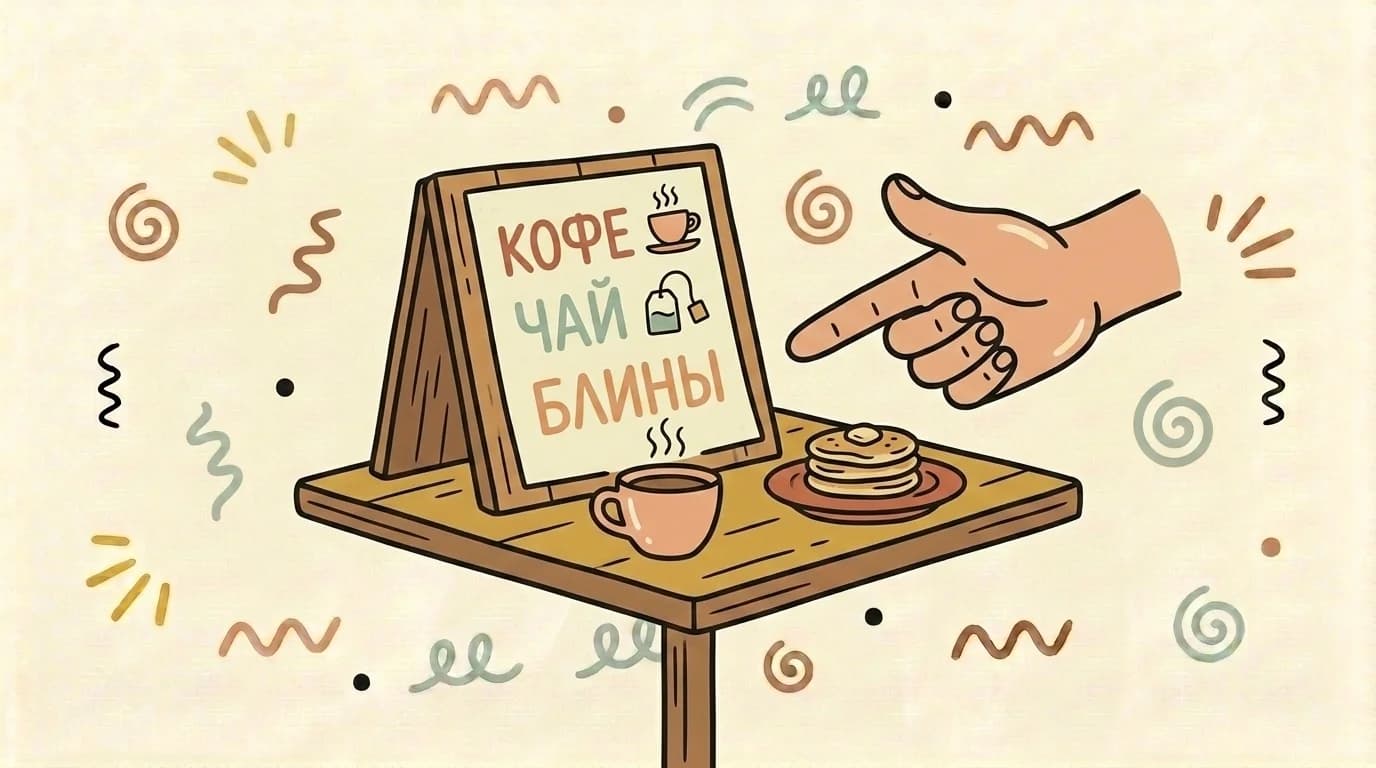
Heads up: In Russia, people often point with their whole hand, not just a finger. And they might grab your arm to physically show you the direction. It’s not rude, it’s just direct. Don’t be startled.
Public transport: buses, metro, and marshrutkas
The Moscow and Saint Petersburg metro systems are works of art. Seriously, the stations are stunning. But they’re also huge and confusing. Here’s how to survive.
Metro vocabulary
- станция (stantsiya, “station”)
- выход (vykhod, “exit”)
- переход (perekhod, “transfer”)
- линия (liniya, “line”)
How to ask about stops
Сколько остановок до...? (Skol’ko ostanovok do...? “How many stops to...?”)
Example: Сколько остановок до Красной площади? (Skol’ko ostanovok do Krasnoy ploshchadi? “How many stops to Red Square?”)
The marshrutka experience
A маршрутка (marshrutka) is a shared minibus. They’re everywhere in smaller cities. You flag one down, get in, and pay the driver (or a passenger who collects money). To get off, you yell Остановите здесь! (Ostanovite zdes’! “Stop here!”) or just Здесь (Zdes’, “Here”). If you’re shy, nobody will hear you, and you’ll ride to the depot. So be loud.
Tip: When you board a bus or marshrutka, say Здравствуйте (Zdravstvuyte, “Hello”) to the driver. It’s polite and sets a good tone. Then say Остановите, пожалуйста (Ostanovite, pozhaluysta, “Stop, please”) when you need to get off.
Taxis and ride-sharing: the safest bet
Uber and Yandex.Taxi (Яндекс.Такси) work in most Russian cities. The app is in English. Use it. It shows the price upfront, so you don’t have to negotiate. But sometimes you’ll need to call a taxi, especially in smaller towns.
Phone call script (if you must)
Здравствуйте. Мне нужна машина по адресу... (Zdravstvuyte. Mne nuzhna mashina po adresu... “Hello. I need a car at the address...”)
Then give your address. If you can’t, say У гостиницы “Москва” (U gostinitsy “Moskva” “Near the Hotel Moscow”). Landmarks work.
In the taxi
- Сколько? (Skol’ko? “How much?”)
- Поехали (Poyekhali, “Let’s go”)
- Остановите здесь (Ostanovite zdes’, “Stop here”)
- Можно чек? (Mozhno chek? “Can I have a receipt?”)
Heads up: Some taxi drivers will try to charge tourists more. If you use an app, the price is fixed. If you hail one on the street, agree on the price before you get in. Say Сколько до...? (Skol’ko do...? “How much to...?”) and if it’s too high, say Дорого (Dorogo, “Expensive”) and walk away. Often they’ll call you back with a lower price.
Accommodation: checking in and asking for help
Hotels in Russia usually have English-speaking staff, especially in big cities. But guesthouses, hostels, and apartments (rented through Airbnb or local sites like Суточно.ру) might not. Here’s what you need.
At check-in
- У меня бронь (U menya bron’, “I have a reservation”)
- На имя... (Na imya... “Under the name...”)
- Можно паспорт? (Mozhno pasport? “Can I have your passport?”) — they’ll ask you for this. It’s standard.
- Какой номер? (Kakoy nomer? “What room number?”)
Common requests
- Есть Wi-Fi? (Yest’ Wi-Fi? “Is there Wi-Fi?”)
- Какой пароль? (Kakoy parol’? “What’s the password?”)
- Можно ещё одно полотенце? (Mozhno yeshcho odno polotentse? “Can I have one more towel?”)
- Где завтрак? (Gde zavtrak? “Where is breakfast?”)
- Во сколько завтрак? (Vo skol’ko zavtrak? “What time is breakfast?”)
If something is broken
- Не работает... (Ne rabotayet... “...is not working”)
- Душ (dush, “shower”)
- Кондиционер (konditsioner, “air conditioner”)
- Телевизор (televizor, “TV”)
Example: Не работает кондиционер (Ne rabotayet konditsioner, “The air conditioner isn’t working”). You’ll say this a lot in summer.
Tip: If you’re staying in an apartment, the host might text you in Russian. Learn this phrase: Всё хорошо, спасибо (Vsyo khorosho, spasibo, “Everything is fine, thanks”). It’s polite and ends the conversation.
Emergencies and small talk with locals
You don’t want to use these, but you should know them.
Emergency phrases
- Помогите! (Pomogite! “Help!”)
- Вызовите скорую (Vyzovite skoruyu, “Call an ambulance”)
- Вызовите полицию (Vyzovite politsiyu, “Call the police”)
- Я потерялся/потерялась (Ya poteryalsya/poteryalas’, “I’m lost” — male/female)
Small talk that works
Russians are not known for smiling at strangers. But if you show genuine interest, they warm up. Try these:
- Вы местный? (Vy mestnyy? “Are you local?”)
- Как здесь красиво (Kak zdes’ krasivo, “How beautiful it is here”)
- Вы говорите по-английски? (Vy govorite po-angliyski? “Do you speak English?”)
- Я из... (Ya iz... “I’m from...”)
If someone offers you tea or food, say Спасибо, с удовольствием (Spasibo, s udovol’stviyem, “Thank you, with pleasure”). Refusing can be seen as rude.
Culture notes: how to not accidentally offend
Russians have a few quirks that matter when you’re traveling.
- Don’t smile at strangers for no reason. In the US, smiling is polite. In Russia, it’s seen as fake or suspicious. Save your smile for when you’re actually happy or joking.
- Remove your shoes indoors. Always. Most homes and many hostels will have slippers for guests. If you don’t see any, ask: Можно тапочки? (Mozhno tapochki? “Can I have slippers?”)
- Don’t whistle indoors. It’s considered bad luck. Also don’t give an even number of flowers. That’s for funerals.
- Tipping is not mandatory but appreciated. 10% at a restaurant is fine. In taxis, rounding up is enough.
Heads up: If you’re invited to someone’s home, bring a small gift. Flowers (odd number), chocolates, or a bottle of alcohol. It’s a gesture that goes a long way.
How to practice before your trip
You don’t need to study for months. A week of focused practice will get you far.
- Use Anki or a flashcard app to memorize 20 key phrases. Review them daily.
- Listen to Russian music. Try Moscow Never Sleeps by DJ Smash or Kukushka by Kino. You won’t understand everything, but your ear will adjust to the rhythm.
- Watch a Russian movie with English subtitles. The Irony of Fate (Ирония судьбы) is a classic about New Year’s travel chaos. It’s funny and full of everyday phrases.
- Talk to yourself. Describe what you see in Russian. “Я вижу метро” (Ya vizhu metro, “I see the metro”). “Мне нужно налево” (Mne nuzhno nalevo, “I need to go left”). It sounds crazy but it works.
And if you want real practice with a live person who will correct you gently and laugh with you, not at you, that’s where I come in. I teach 1-on-1 online lessons where we skip the grammar drills and focus on what you actually need to say. We’ll roleplay getting lost, ordering food, and checking into a hotel. You’ll make mistakes in a safe space. Then you’ll go to Russia and make fewer mistakes. That’s the goal.
Try this today
You don’t need a trip planned to start. Do these five mini-tasks right now.
-
Write down three places you’d visit in Moscow or Saint Petersburg. Translate them into Russian. Example: Red Square is Красная площадь (Krasnaya ploshchad’). The Hermitage is Эрмитаж (Ermitazh). Gorky Park is Парк Горького (Park Gor’kogo).
-
Record yourself saying these three phrases:
- Где находится метро? (Gde nakhoditsya metro?)
- Сколько остановок до Красной площади? (Skol’ko ostanovok do Krasnoy ploshchadi?)
- Остановите здесь, пожалуйста (Ostanovite zdes’, pozhaluysta)
-
Find a Russian restaurant or cafe in your city. Go there. Order in Russian. Say Здравствуйте, можно меню? (Zdravstvuyte, mozhno menyu? “Hello, can I have the menu?”) and Спасибо when they bring it. That’s it.
-
Change your phone’s map app to Russian. Navigate to a nearby landmark using only the Russian labels. You’ll learn улица (ulitsa, “street”), проспект (prospekt, “avenue”), and мост (most, “bridge”) fast.
-
Text a friend in Russian. Even if they don’t understand. Write Я учу русский (Ya uchu russkiy, “I’m learning Russian”). It makes it real.
You don’t need to be ready. You just need to start. And the next time you’re on that street corner in Saint Petersburg, you’ll have the words to get home.